Persistent Memory Versus Chat Sessions in AI
Persistent memory versus chat sessions shapes how AI remembers context. Learn the benefits, privacy trade-offs, and when each interaction fits best well.
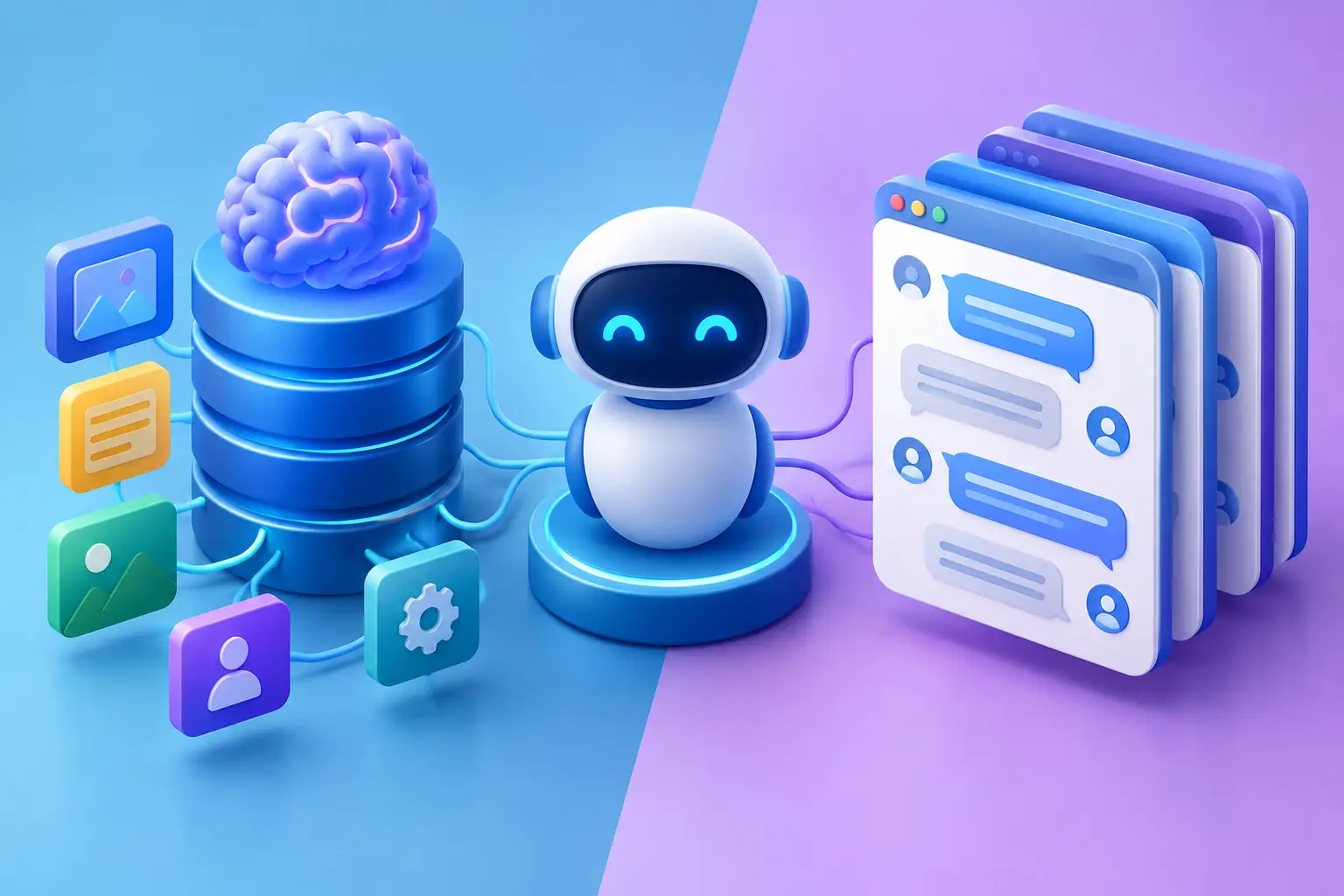
A chat can be useful for five minutes and still forget the one detail that would have made tomorrow's answer better. That is the practical difference behind persistent memory versus chat sessions: one is designed for a single, contained exchange, while the other can carry selected context forward. Neither is automatically better. The right experience depends on what you are asking an AI to help you do and how much control you want over what it remembers.
What is a chat session?
A chat session is a temporary conversation space. The AI can use the messages, files, images, and instructions shared within that conversation to respond with context. Ask it to review a document, troubleshoot code, explain a photo, or help plan a weekend, and it can refer back to earlier parts of the same chat.
When the session ends, that context may no longer be available in a new conversation. The next chat often begins with a clean slate, unless you repeat the relevant details or the product offers another way to retain them.
This model has a clear advantage: it is predictable. A one-time question remains a one-time question. If you are comparing insurance options, discussing a sensitive situation, or testing a creative idea you do not want carried into future conversations, a session-based interaction can feel appropriately contained.
Chat sessions also reduce the chance of old information affecting a new answer. If your role, goals, or preferences have changed, starting fresh can prevent an assistant from relying on assumptions that no longer fit.
What is persistent memory in AI?
Persistent memory allows an AI to retain selected information across conversations. Instead of needing to say, "I prefer short explanations" or "I am preparing for a certification exam" every time, you may be able to establish that context once and have it inform later interactions.
Memory should not be confused with a complete recording of everything a person has ever said. Well-designed memory is usually selective. It may retain useful preferences, ongoing projects, recurring needs, or details the user specifically asks it to remember. A good system should also distinguish between stable information and passing remarks.
For example, a user might want an AI to remember that they are learning Spanish, prefer feedback before a final answer, and are working on a portfolio site. Those details can make future help more relevant without requiring an exhaustive personal profile.
The value is continuity. An assistant with useful memory can pick up where a conversation left off, recognize recurring goals, and offer help that feels less repetitive. For an AI companion, this continuity can also make everyday conversations feel more natural. You do not need to reintroduce yourself every time you open the app.
Persistent memory versus chat sessions: the real difference
The most meaningful difference is not simply whether information is stored. It is whether context can travel from one interaction to another.
A chat session answers, "What have we discussed here?" Persistent memory answers, "What should remain useful after this conversation is over?" Sessions are organized around a single thread. Memory is organized around longer-term relevance.
Consider someone planning meals. In a chat session, they can share dietary restrictions, budget, and the ingredients already in the kitchen. The AI can create a useful plan for that conversation. With persistent memory, it may remember that they avoid dairy, enjoy quick weeknight meals, and usually shop for two people. The next time they ask, "What can I make with this?" while showing ingredients through a camera, the answer can start closer to their real needs.
That added convenience comes with a responsibility: remembered context needs to be accurate, appropriate, and visible to the user. Memory that is hidden or difficult to correct can feel intrusive rather than helpful.
Where session-based chats work best
A session is often the better choice when the task is self-contained or the context is temporary. It works well for interpreting a screenshot, brainstorming names for a new project, reviewing a contract clause, or asking a question about an object in front of you.
It is also useful when you want to deliberately separate areas of your life. A conversation about work can stay apart from a conversation about travel. A fresh session lets you set a new goal, tone, or level of detail without bringing old context along.
There is another benefit: clarity. In a focused chat, both the user and the AI are working from the same visible record. You can scroll up, check what was said, and adjust the direction. For tasks with many details, that shared conversational history is often all the memory you need.
Where persistent memory becomes genuinely useful
Persistent memory matters most when repetition creates friction. If you regularly ask for help with the same long-term goal, an AI that retains relevant context can save time and produce more consistent guidance.
Students may want an assistant to remember the subjects they are studying and the kinds of explanations that help them learn. Creators may want it to recognize their preferred voice, current project, and audience. Professionals may value continuity around a recurring workflow, communication style, or development environment.
Memory can be especially useful in multimodal interactions. Imagine showing an assistant a home repair issue, then returning later with a photo of the part you bought. It is more helpful if the assistant can connect the follow-up to the earlier conversation. The same is true for ongoing language practice, health and fitness routines, trip planning, or learning to use a new software tool.
Used thoughtfully, memory reduces setup work. It should not remove your ability to steer the conversation in a new direction.
Privacy and control are part of the feature
Memory is only as helpful as it is controllable. People should be able to understand what an AI retains, correct information that is outdated, and remove stored context when they choose. These are not secondary settings. They shape whether persistent memory feels personal in a good way or personal in an uncomfortable way.
Before using an AI's memory features, look for clear answers to a few practical questions. Can you view and delete conversation history? Can you remove a specific remembered detail without deleting everything? Is there a way to turn memory off? Does the service explain how saved context is used?
The answer may vary by product and by task. Some users will want an assistant that remembers preferences across devices. Others will prefer to keep each interaction separate. Many will want both options, depending on the conversation.
That flexibility is more realistic than treating privacy and personalization as opposites. A person can value continuity while still wanting boundaries. In fact, strong controls make it easier to use memory with confidence because the user remains in charge of what stays and what goes.
How to choose the right mode for the moment
Choose a chat session when you want a clean start, are handling a one-time question, or would rather keep the discussion separate from your broader history. Choose persistent memory when you expect to return to the topic, want help tailored to stable preferences, or are building toward a longer-term goal.
You can also use both together. A persistent layer might hold only a few durable preferences, while each chat contains the immediate details of a specific task. That combination avoids repeated introductions without turning every conversation into an extension of the last one.
For example, an AI could remember that you prefer concise spoken responses and are learning photography, while a single session focuses on evaluating the lighting in one image. The long-term preference makes the interaction smoother. The session keeps the detailed analysis focused.
Visionika is built around this kind of natural continuity, combining voice, text, and visual understanding with contextual memory that users can manage and delete. The practical goal is not to make an AI seem like it knows everything about you. It is to let useful context remain available when you want it, whether you are talking through an idea or showing it something in the moment.
Memory should earn its place
The best AI memory is not the one that retains the most. It is the one that remembers the right things for the right reasons, then gets out of the way when a fresh conversation is what you need. Start with the level of continuity that feels useful, review it occasionally, and keep control close at hand.